
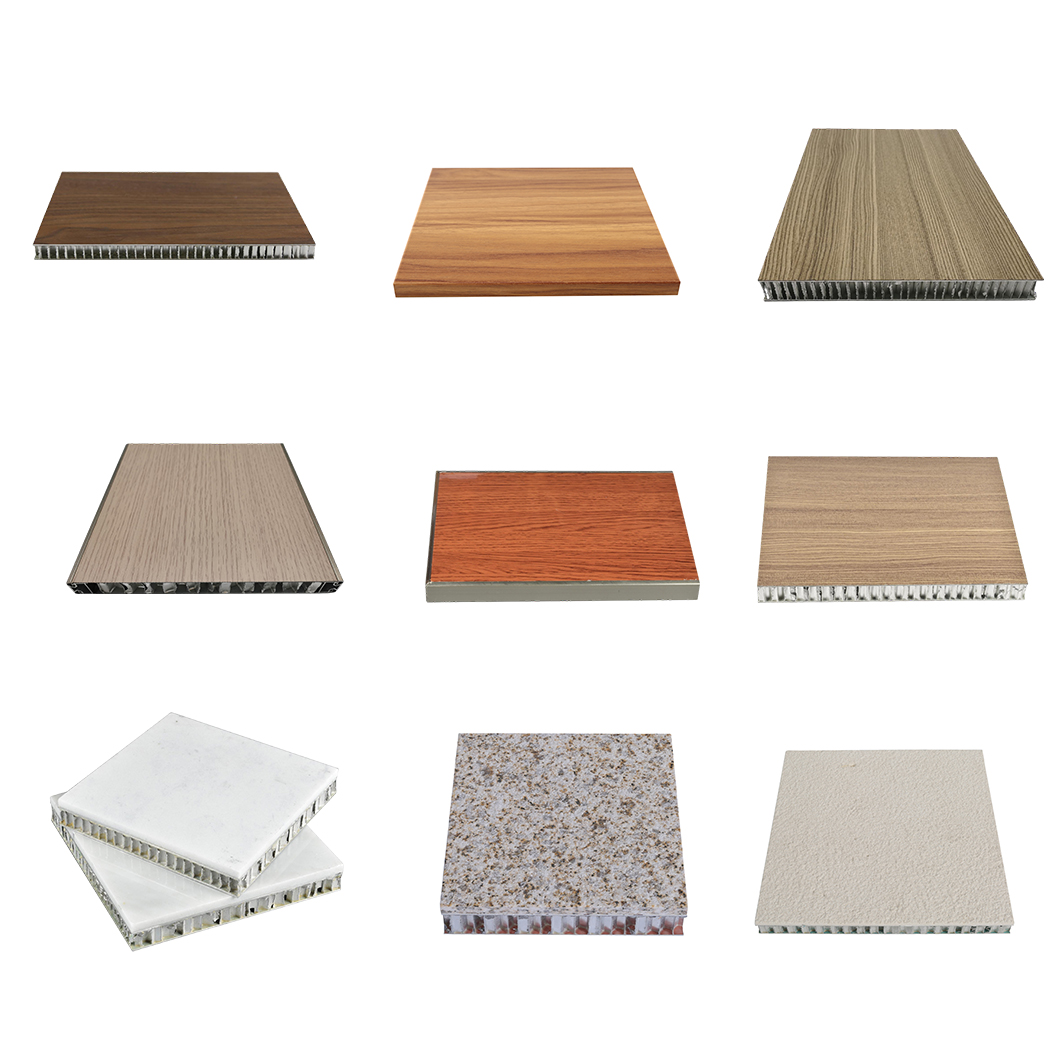
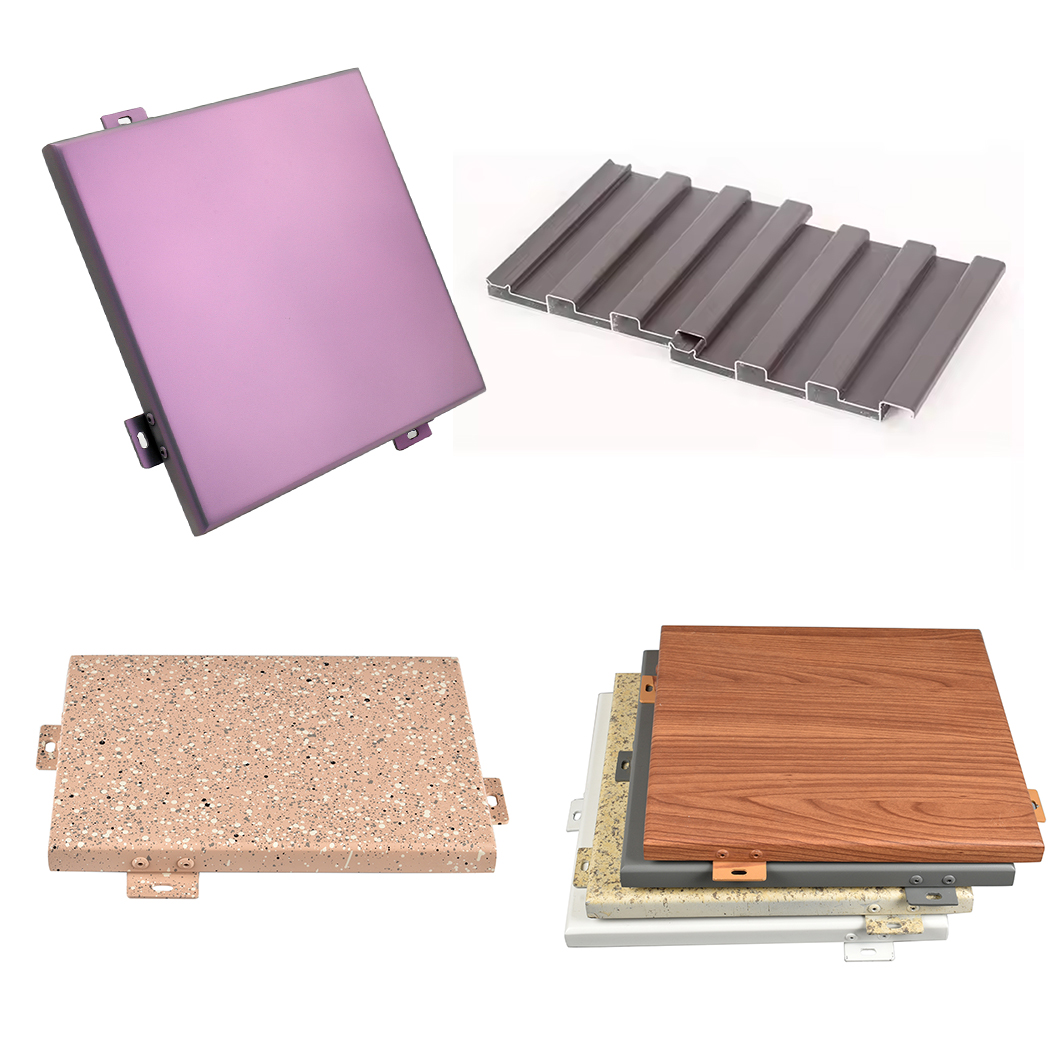
The recyclability of aluminum-based decorative materials stands as one of their most fundamental “green” attributes, serving as a vivid embodiment of circular economy principles within the construction materials sector.
The primary raw material for both aluminum honeycomb panels and aluminum veneers is aluminum alloy. Aluminum is one of the most abundant metallic elements on Earth; it is 100% recyclable, and—crucially—it suffers no loss of performance during the recycling process. It is estimated that recycling just one ton of fluorocarbon-coated aluminum veneer can save 95% of the energy typically consumed in production and reduce carbon dioxide emissions by nine tons—an environmental benefit equivalent to the carbon sequestration capacity of planting 50 mature trees. The development of these “urban mines” significantly reduces the demand for the extraction of virgin aluminum ore.
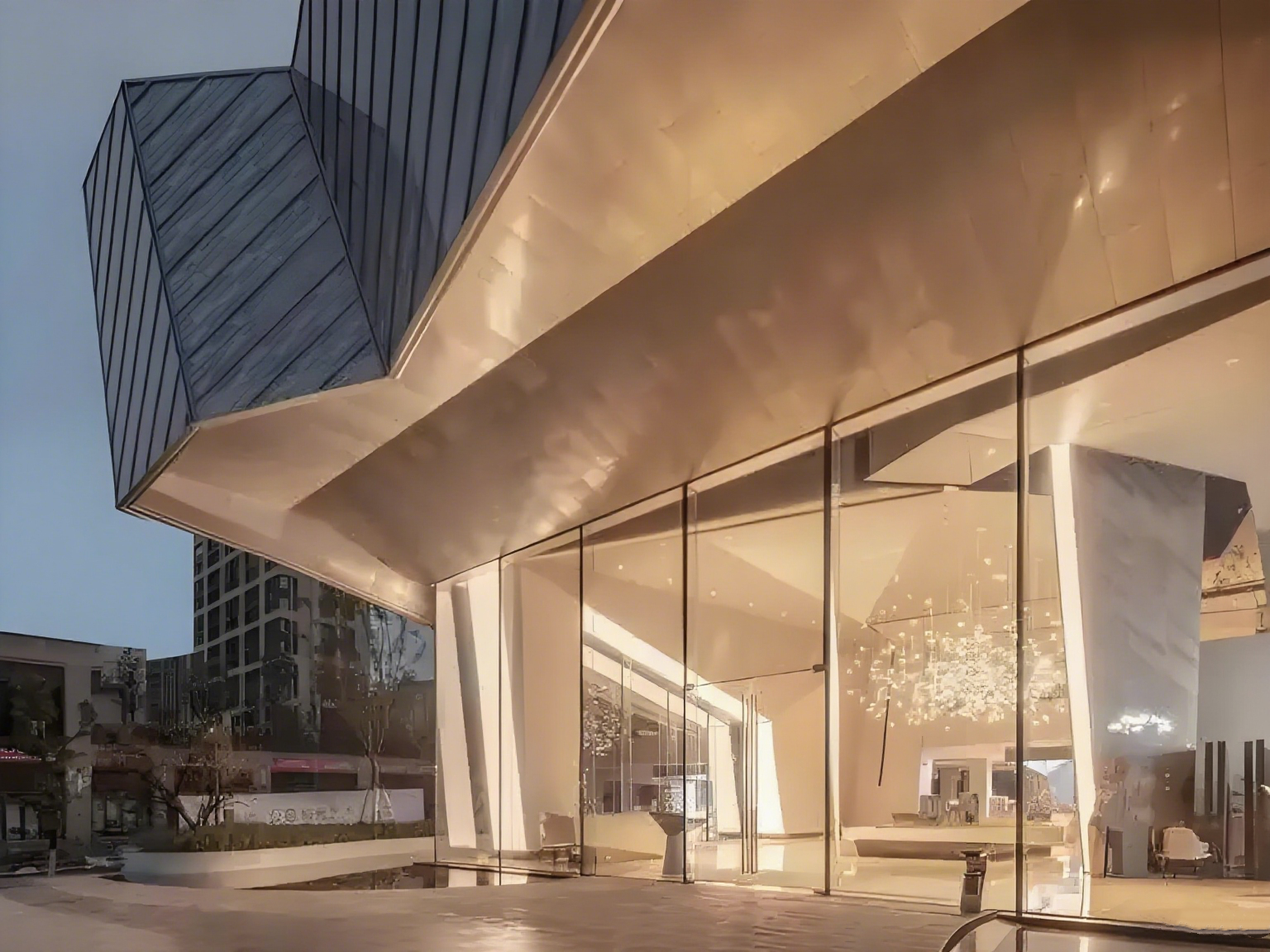
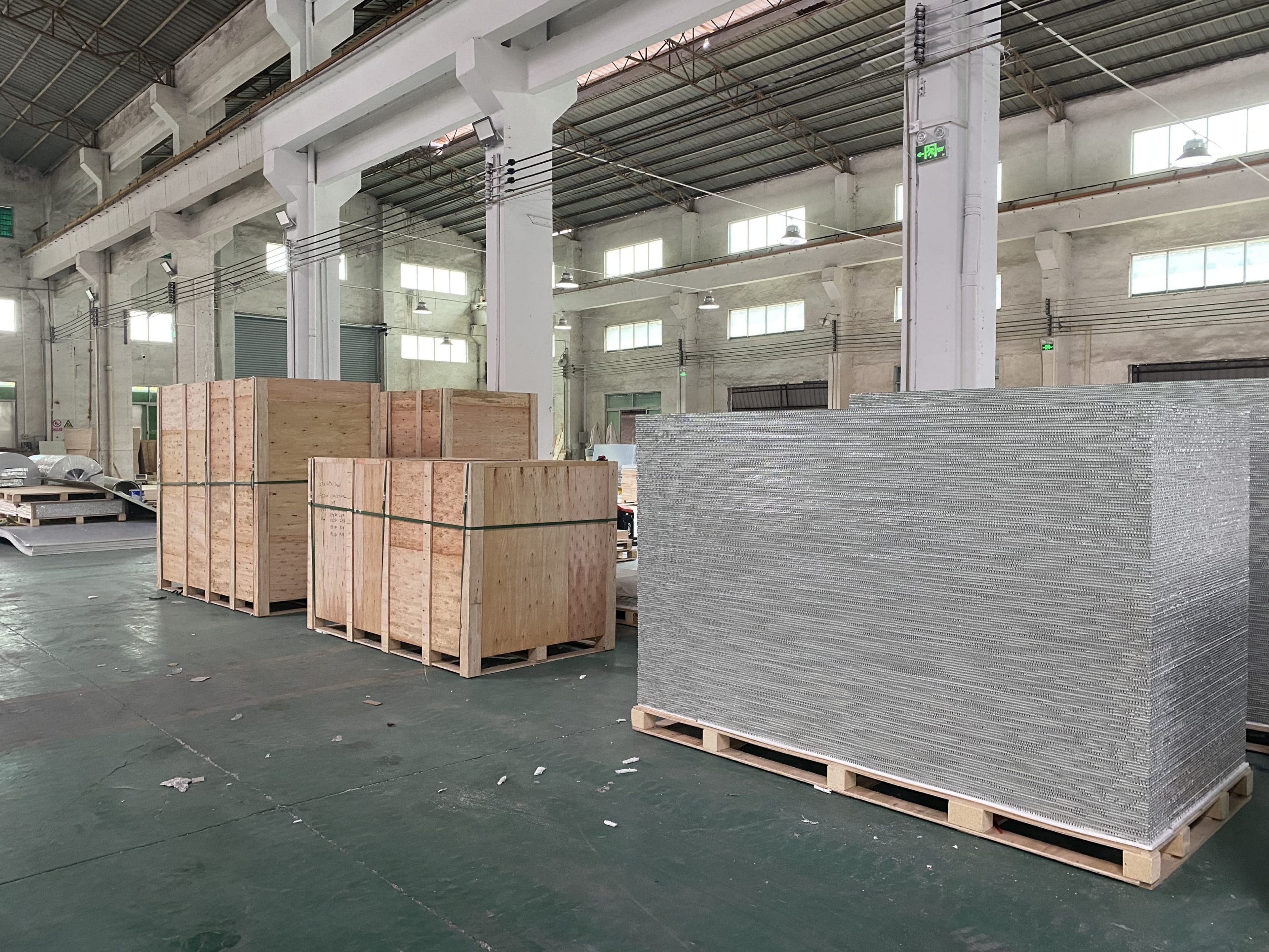
In terms of economic viability, the residual value of recycled aluminum far exceeds that of other construction materials. Unlike decorative materials such as glass, stone, ceramics, or aluminum-plastic composite panels, aluminum panels retain a high residual value upon disposal, thereby sustaining a robust and complete recycling industry chain. Following the demolition of a building, salvaged aluminum materials can be sorted, collected, and smelted down to produce new aluminum ingots, which are then fed back into the production cycle—thereby realizing a closed-loop cycle of “Building–Material–Building.”
The renovation project for the Shenzhen Qianhai International Conference Center serves as a prime example of the circular economy in action. The design team implemented a modular aluminum veneer curtain wall system featuring standardized interface designs, which allowed the individual curtain wall units to be rapidly dismantled and reassembled. Upon the project’s completion, 90% of the aluminum veneers were recovered and repurposed for the construction of a new community cultural center. This design paradigm not only reduced construction costs but also propelled the building industry closer to achieving its “zero-waste” objectives.
When subjected to a comprehensive life-cycle assessment, the environmental advantages of aluminum-based materials become even more pronounced. Thanks to their lightweight nature, aluminum honeycomb panels generate lower carbon emissions during transportation; their exceptional durability reduces the frequency of maintenance and replacement; and their recyclability eliminates the environmental burden associated with landfill disposal. These inherent characteristics ensure that aluminum-based materials fully satisfy the core requirement of “recyclability”—a defining criterion for green building materials.
Post time: Apr-10-2026