
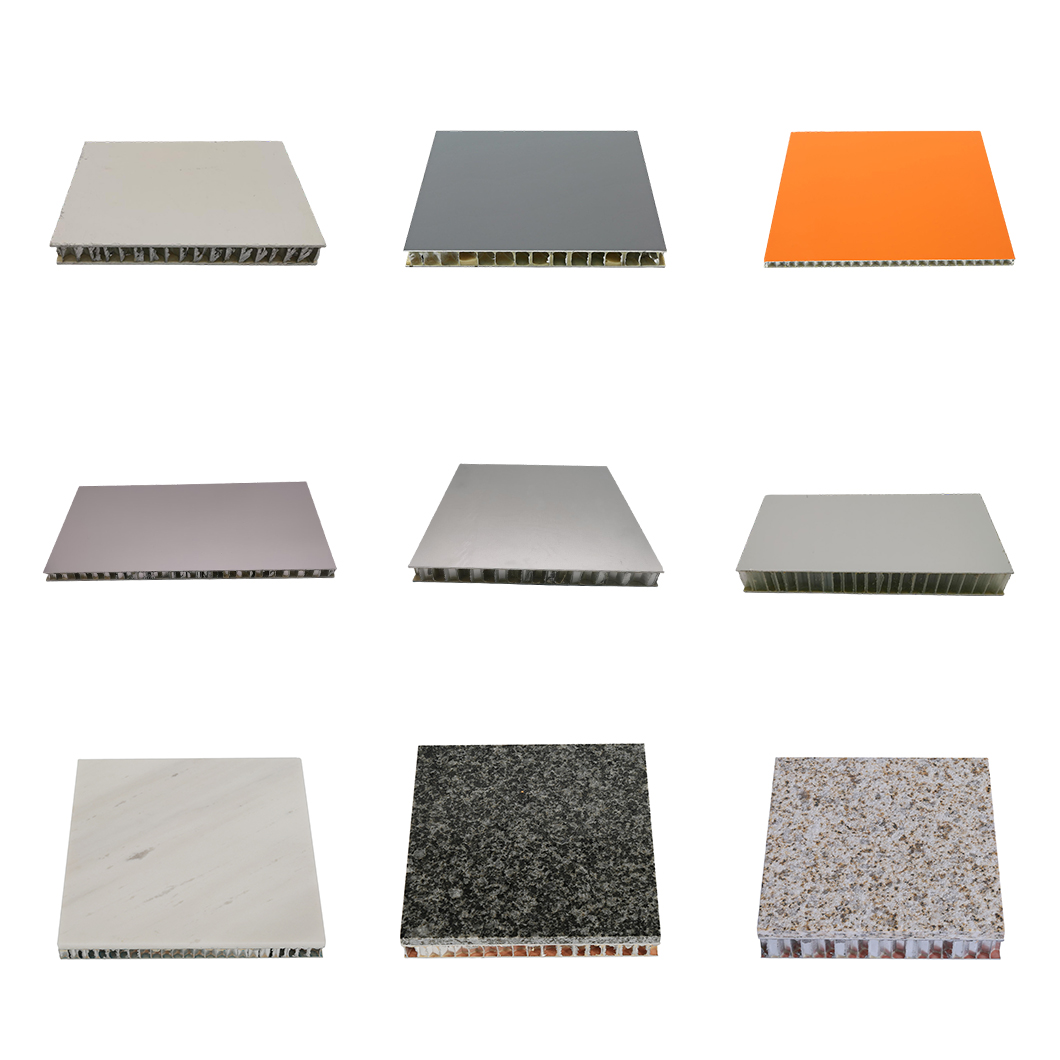
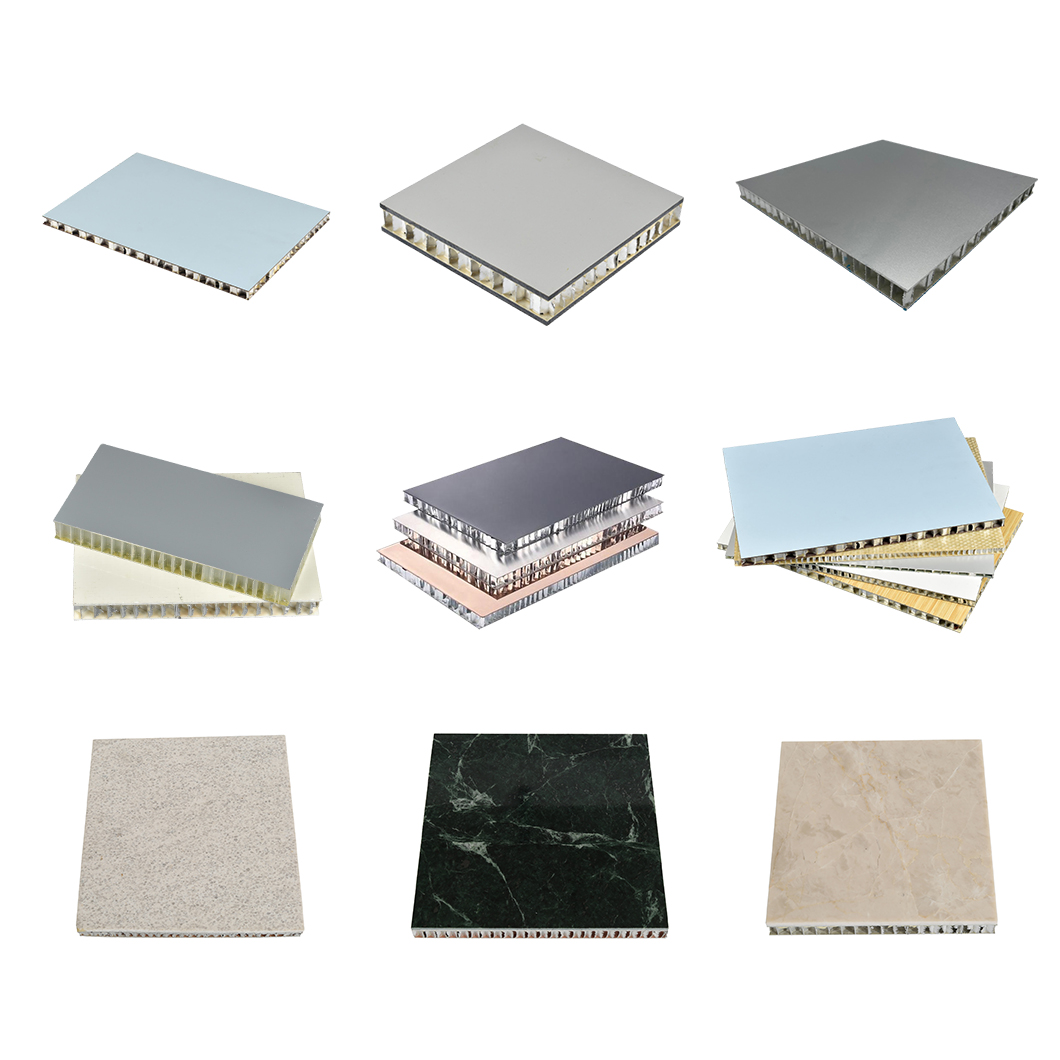
The application of aluminum honeycomb panels has expanded beyond architectural decoration into high-end sectors such as rail transit, aerospace, new energy vehicles, and shipbuilding.
In the rail transit sector, aluminum honeycomb panels are widely utilized in high-speed trains and subway cars for interior side wall panels, ceiling panels, partition walls, flooring, luggage racks, air conditioning ducts, and equipment compartment floors. In the CRH series of high-speed trains, aluminum honeycomb panels are employed to fabricate interior side wall panels with complex geometries and strict tolerance requirements, as well as load-bearing luggage racks. This represents a departure from the traditional design concept, which limited their use to merely flat or simply bent components. Such innovative applications have driven a leapfrog development in domestic aluminum honeycomb panel technology.
In the aerospace sector, aluminum honeycomb panels serve as interior materials for aircraft or structural components for satellites, and are extensively used as energy-absorbing and vibration-damping materials. Their lightweight yet high-strength properties satisfy the stringent weight requirements of aircraft, while the honeycomb structure’s energy absorption capacity—ranging from 150 to 3500 KJ/m²—provides a robust safeguard for flight safety.


In the fields of new energy vehicles and energy storage, aluminum honeycomb panels are utilized in battery pack enclosures, battery cell connectors, and bipolar plates for hydrogen fuel cells. For power battery packs, incorporating a spot-welded aluminum honeycomb frame into the enclosure design can achieve a 50% weight reduction while optimizing thermal management to maintain the temperature difference between battery cells within a range of ±2°C. Furthermore, the use of laser-welded aluminum honeycomb panels for hydrogen fuel cell bipolar plates enhances the uniformity of hydrogen distribution.
In the shipbuilding sector, aluminum honeycomb panels are employed in ship superstructures and interior decoration. Their moisture-resistant and corrosion-resistant properties make them particularly well-suited for marine environments, while their lightweight nature contributes to increased cargo capacity and improved fuel efficiency for vessels.
Additionally, aluminum honeycomb panels find applications in areas such as industrial equipment enclosures, protective covers for electronic devices, and commercial vehicle bodies. Their multifunctional characteristics and customizability make them an ideal material for industrial lightweighting initiatives.
Post time: Apr-03-2026