
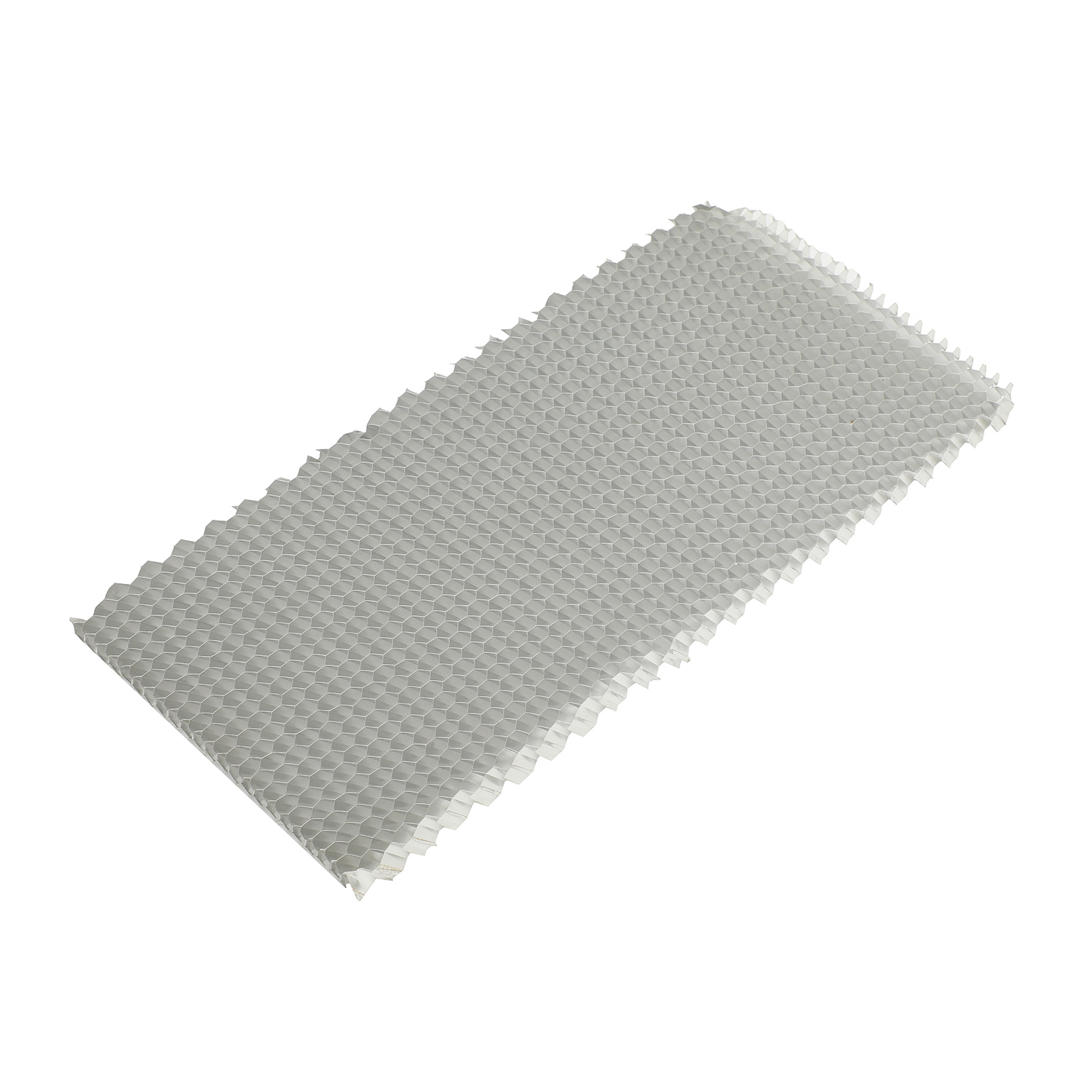
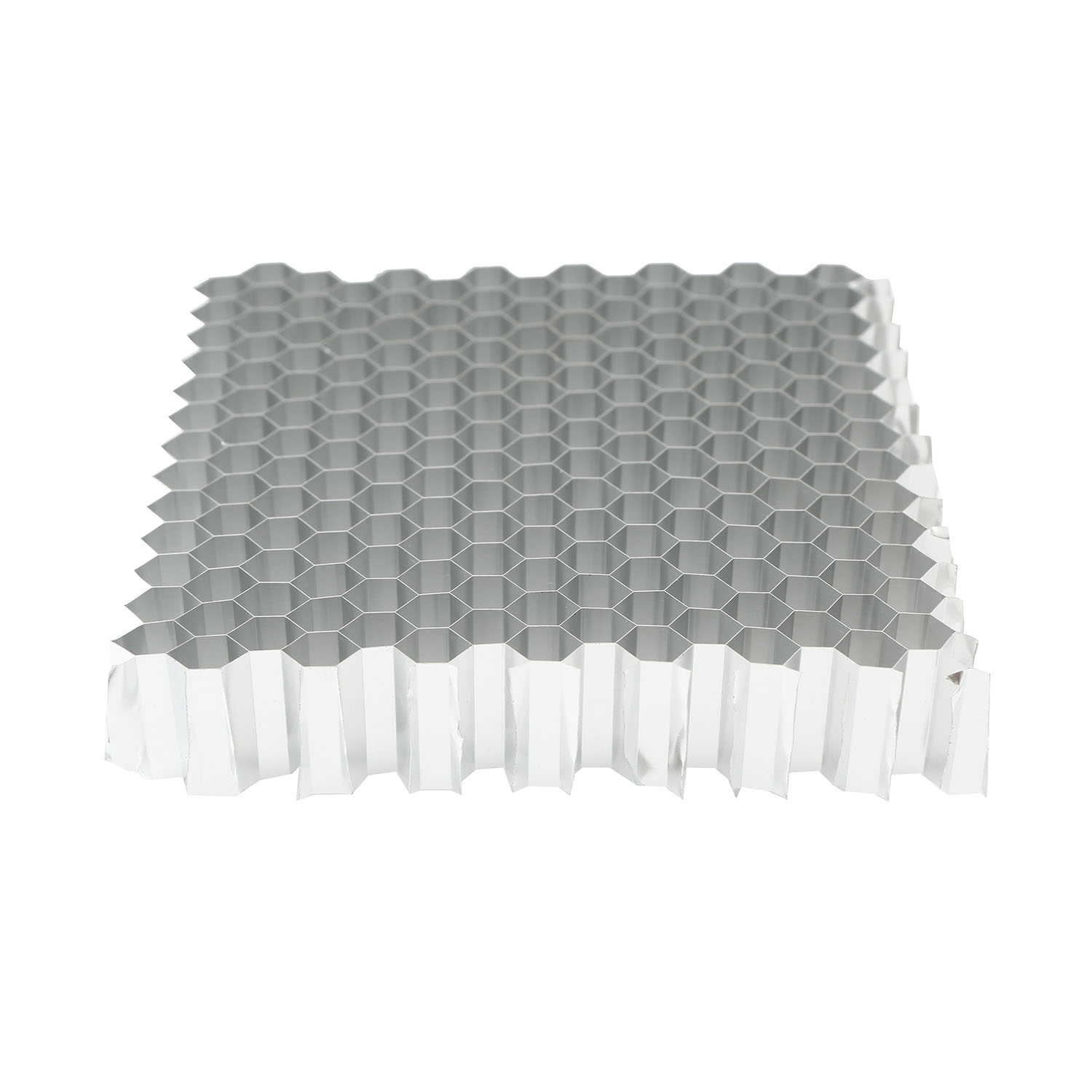
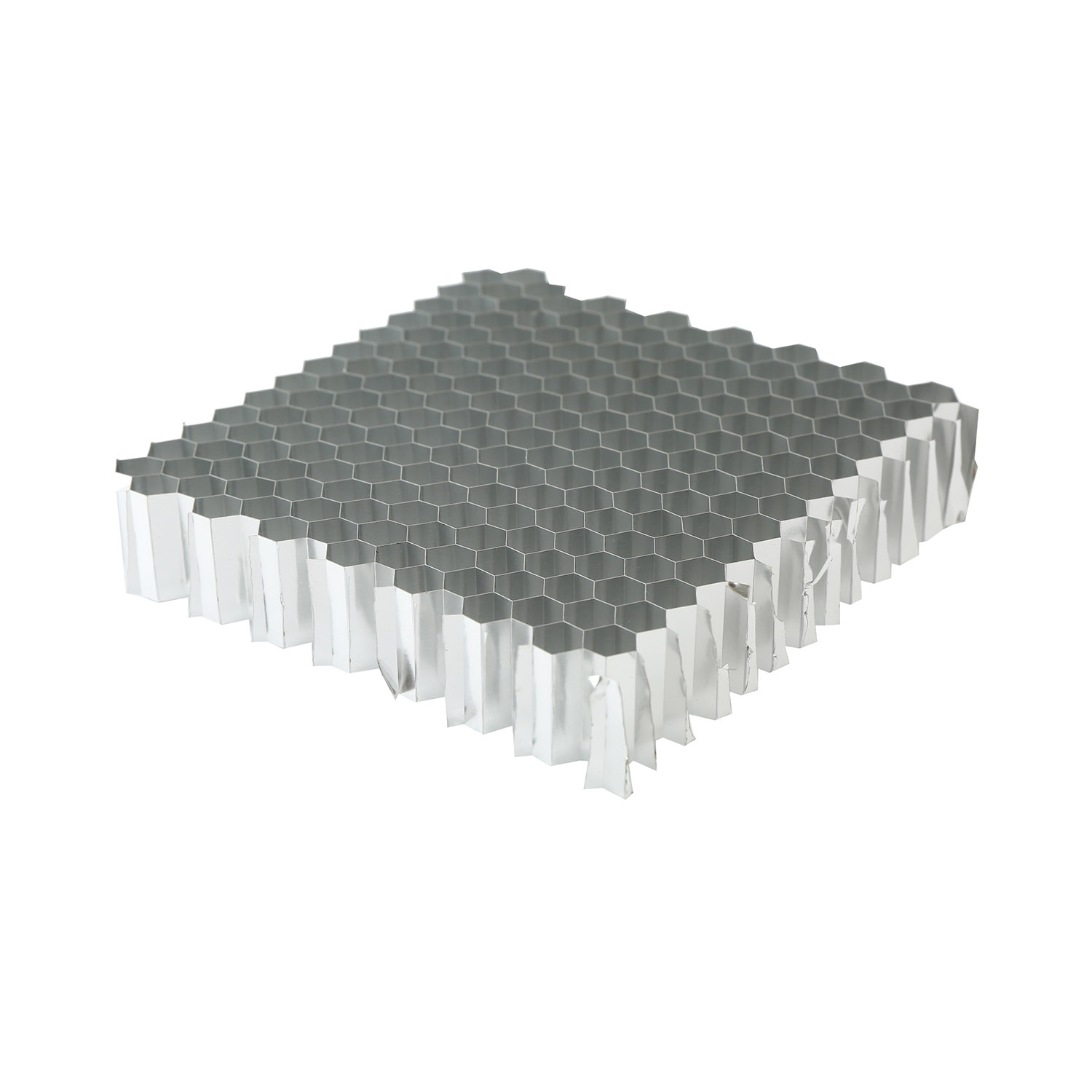
Specifying the correct aluminum honeycomb core is a technical decision that directly impacts panel performance. Two key parameters dominate this choice: cell size and foil thickness. Cell size, typically ranging from 3/16″ to 1″, dictates the core’s density and the surface finish of the panel. Smaller cells (e.g., 3/16″) provide more bonding surface area for the skins, resulting in a smoother face and higher overall strength, ideal for high-end architectural or aerospace panels. Larger cells are lighter and more cost-effective but may allow a slight “telegraphing” of the honeycomb pattern to the surface. Foil thickness, usually measured in thousandths of an inch, determines the strength of the individual cell walls. Thicker foil increases the core’s compressive and shear strength, making it suitable for high-load flooring applications. Conversely, thinner foil is perfect for lightweight partition walls. By carefully balancing cell size and foil thickness against the specific requirements for strength, weight, and surface finish, engineers can perfectly tailor the honeycomb core to the demands of their project.
Post time: Feb-13-2026