
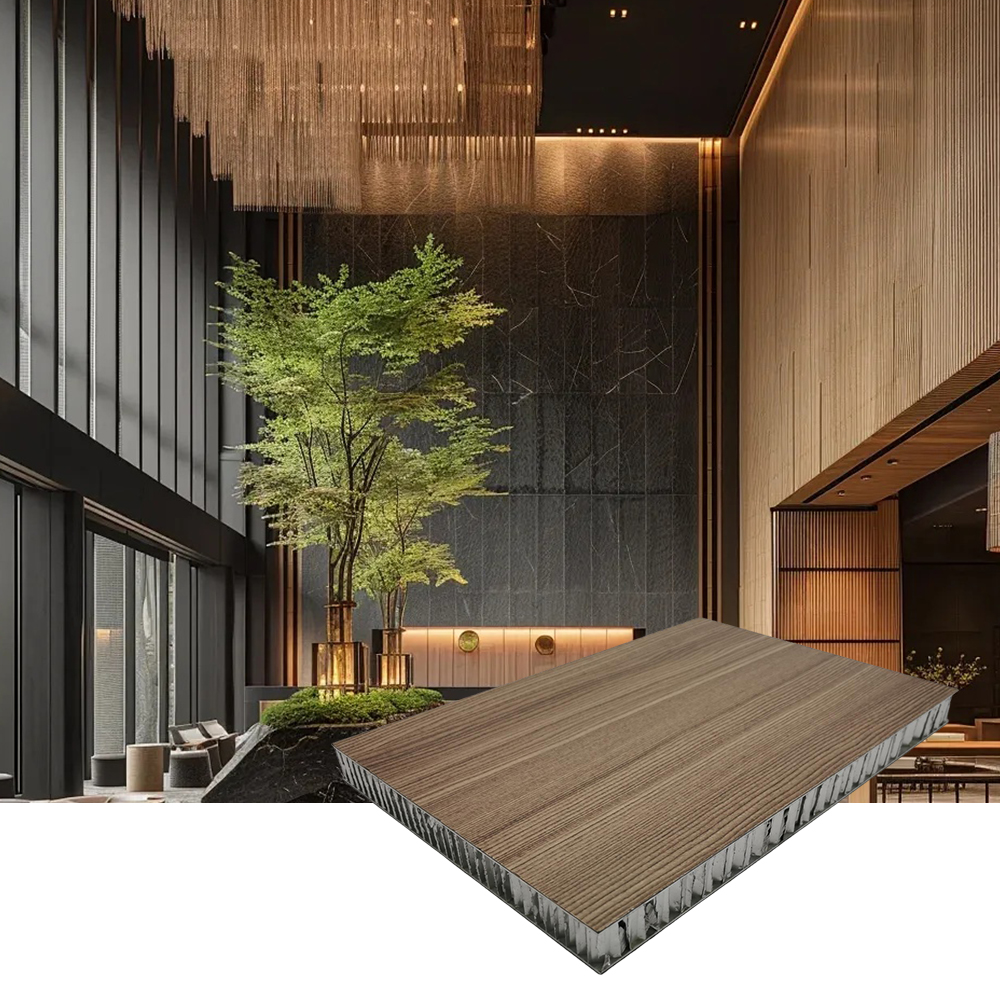
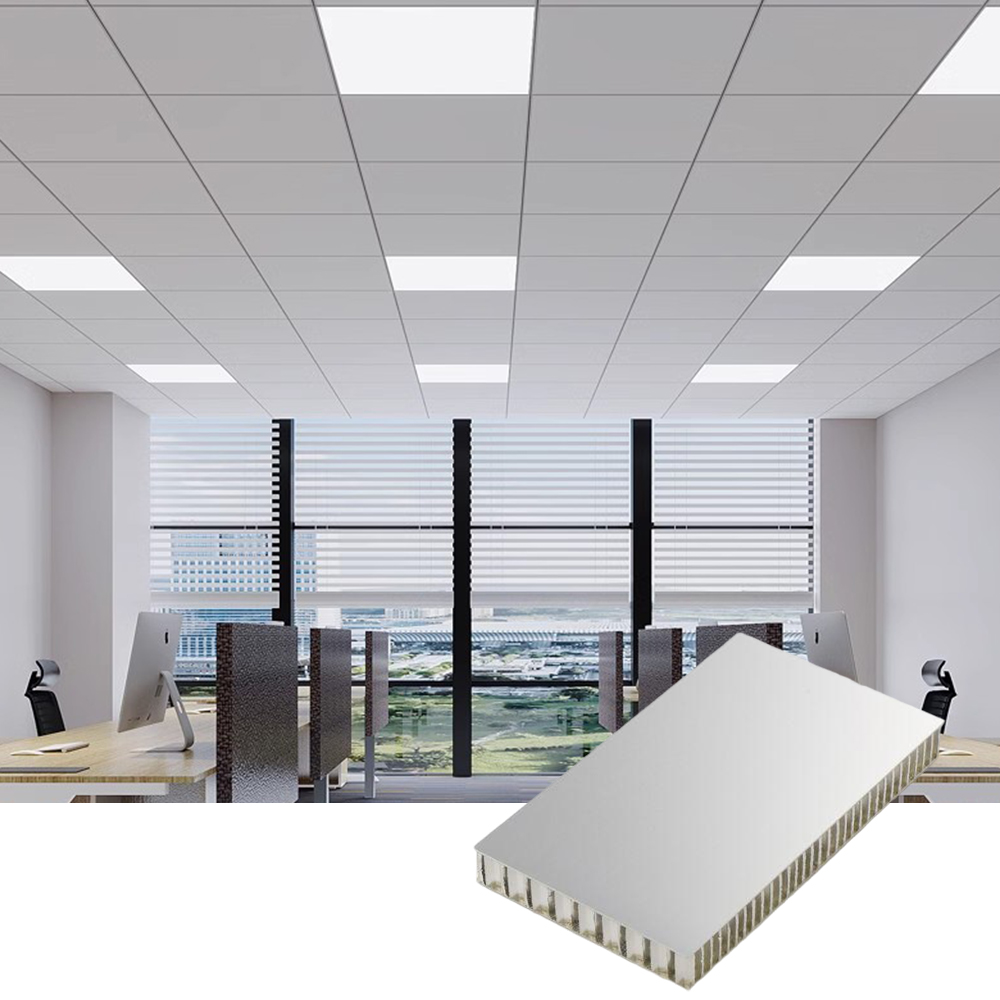
The aluminum honeycomb panel is a composite material formed by bonding an aluminum honeycomb core to surface materials. It is manufactured by laminating high-strength aluminum alloy sheets—featuring decorative coatings with exceptional weather resistance—as face panels, together with a back panel and the aluminum honeycomb core. Structurally, its load-bearing mechanism is essentially analogous to that of an I-beam: the upper and lower face panels act as the I-beam’s flanges, primarily bearing in-plane tensile, compressive, and shear stresses; meanwhile, the aluminum honeycomb core functions as the I-beam’s web, primarily bearing transverse shear stresses.
The “green genes” of aluminum honeycomb panels are primarily manifested in the recyclability of their materials. Aluminum is non-radioactive and 100% recyclable; upon reaching the end of its service life, it can be remelted and recast into aluminum ingots, the performance of which is virtually indistinguishable from that of virgin aluminum. Recycling one ton of aluminum saves 95% of the energy typically consumed in production and prevents the emission of 9 tons of carbon dioxide—an environmental benefit equivalent to the carbon sequestration capacity of planting 50 mature trees.
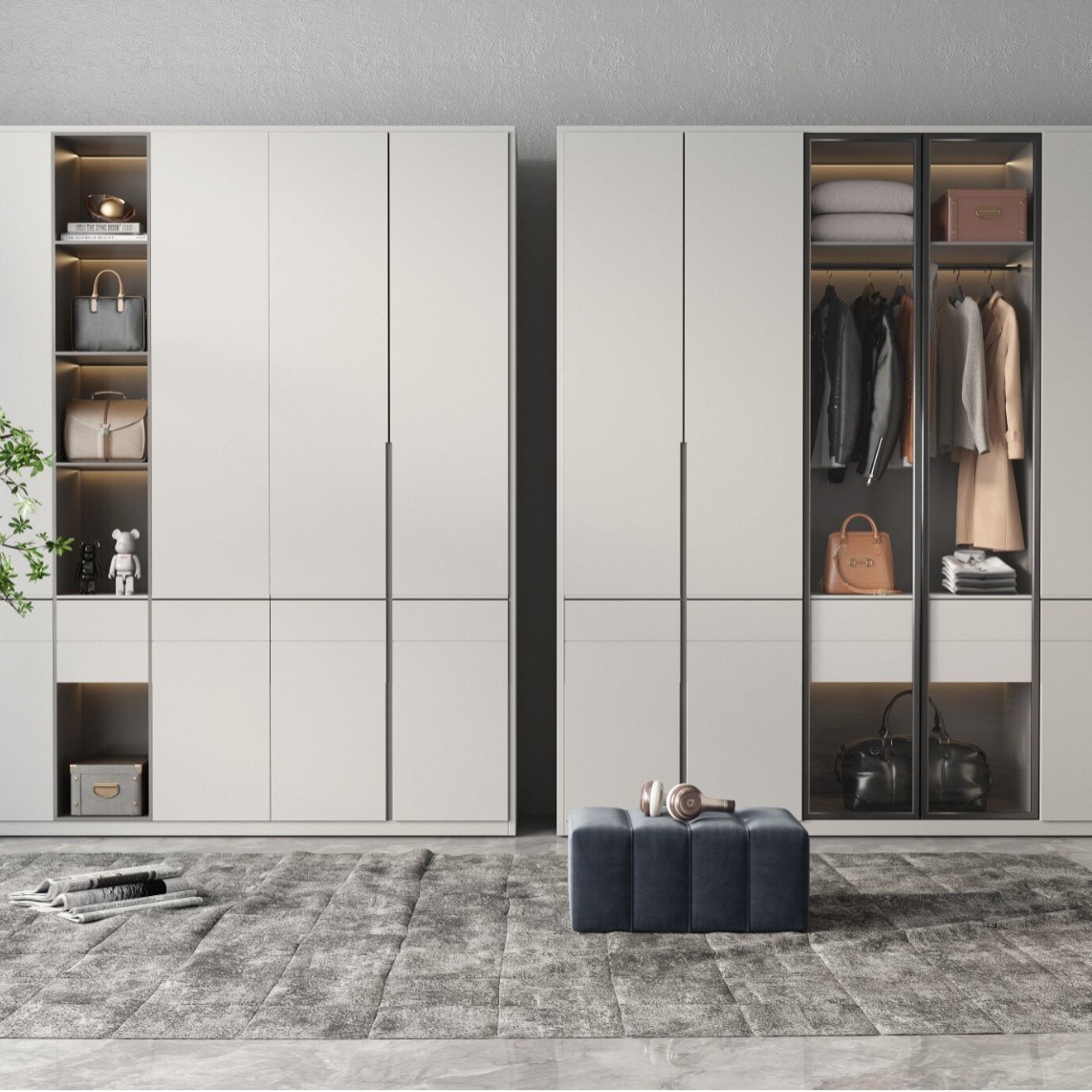
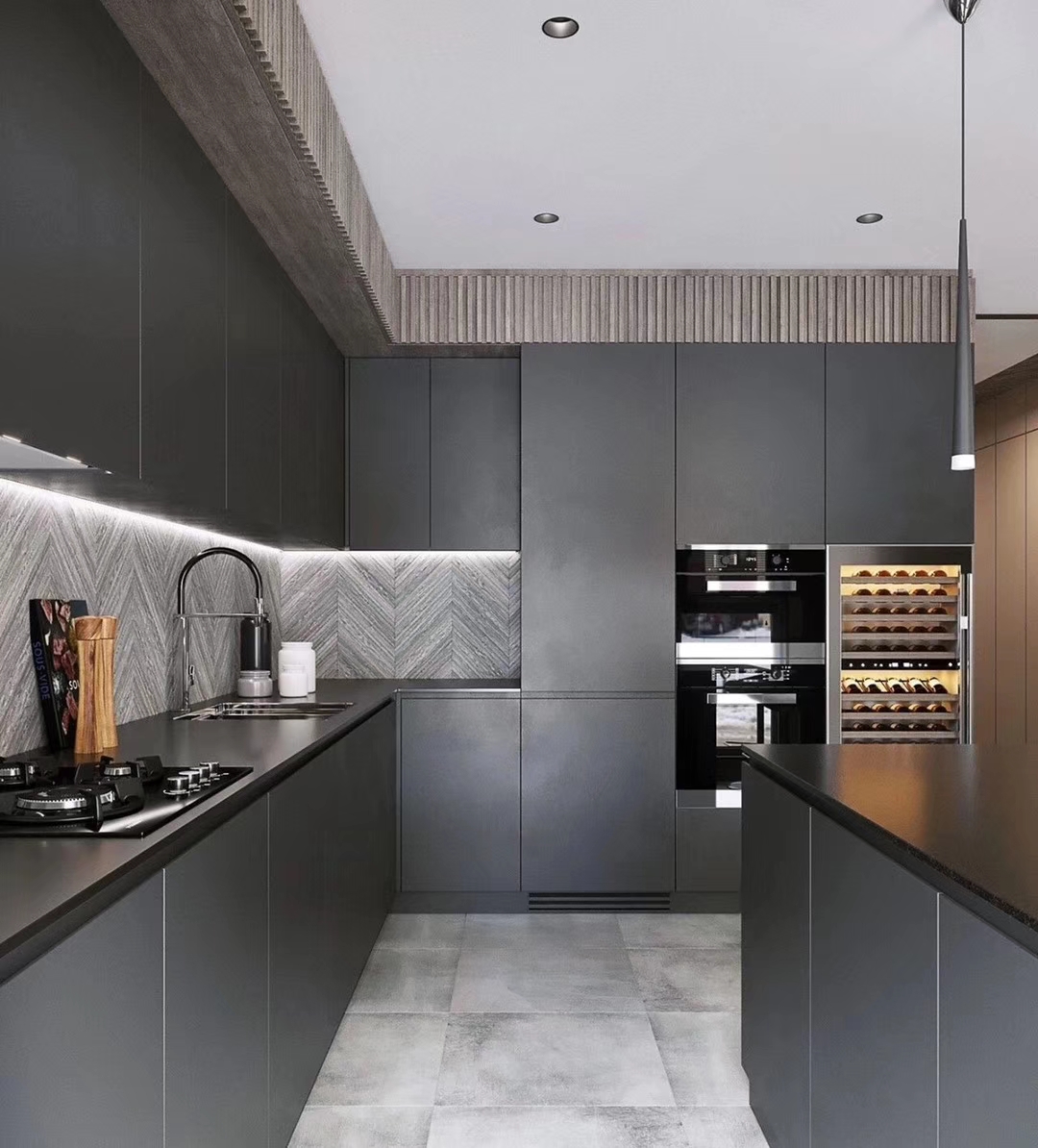
In terms of manufacturing processes, aluminum honeycomb panels utilize roll-forming and hot-pressing lamination technologies. A two-component, high-temperature-curing polyurethane adhesive or a two-component polymer epoxy film is applied between the face panels and the honeycomb core, followed by high-temperature, high-pressure lamination using fully automated production equipment. Some manufacturers have advanced to “glue-free” hot-melt bonding technologies, ensuring zero formaldehyde emissions throughout the entire production process and thereby achieving true environmental friendliness.
The lightweight nature of aluminum honeycomb panels is also a standout feature; they weigh only 5 to 5.5 kg per square meter and possess a density just one-third that of steel. Furthermore, for an equivalent mass, their bending stiffness is approximately five times greater than that of solid aluminum alloy. This “lightweight yet high-strength” characteristic allows them to significantly reduce structural loads in architectural applications, thereby indirectly minimizing the consumption of construction materials and lowering carbon emissions.
Post time: Mar-20-2026