
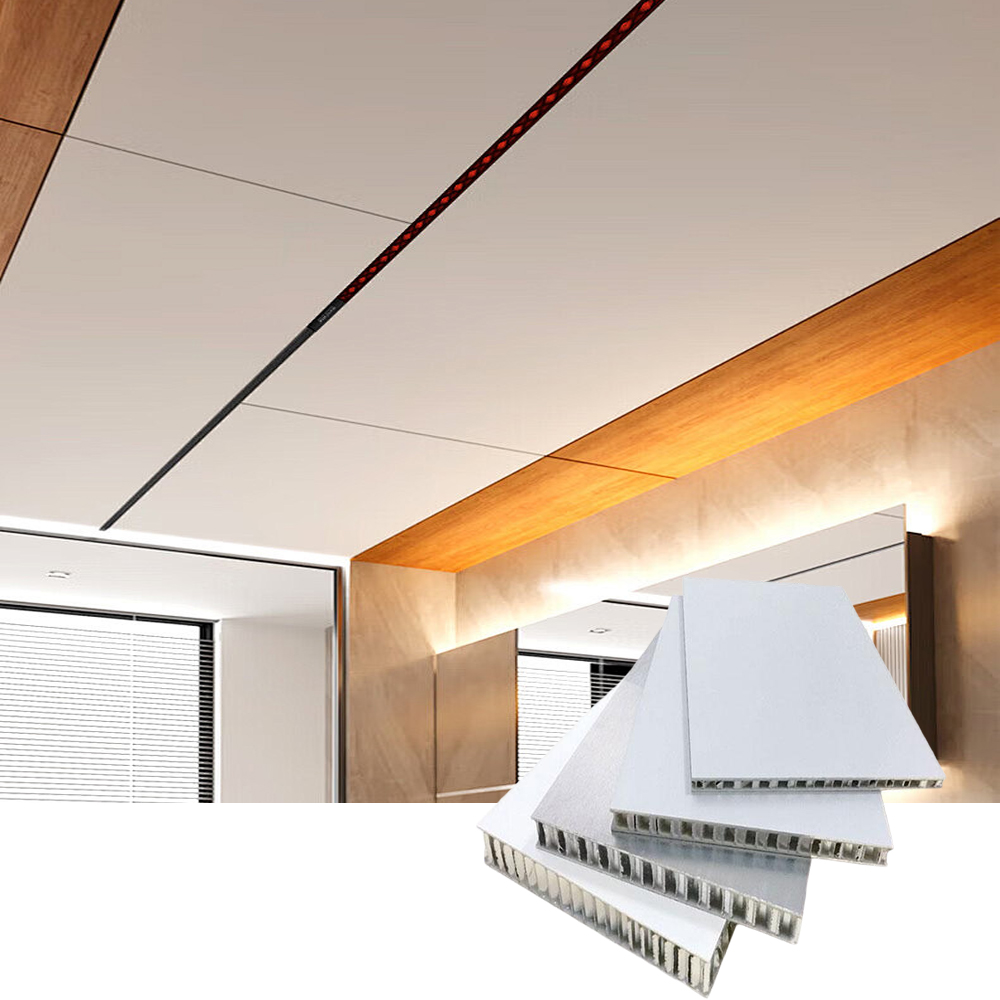
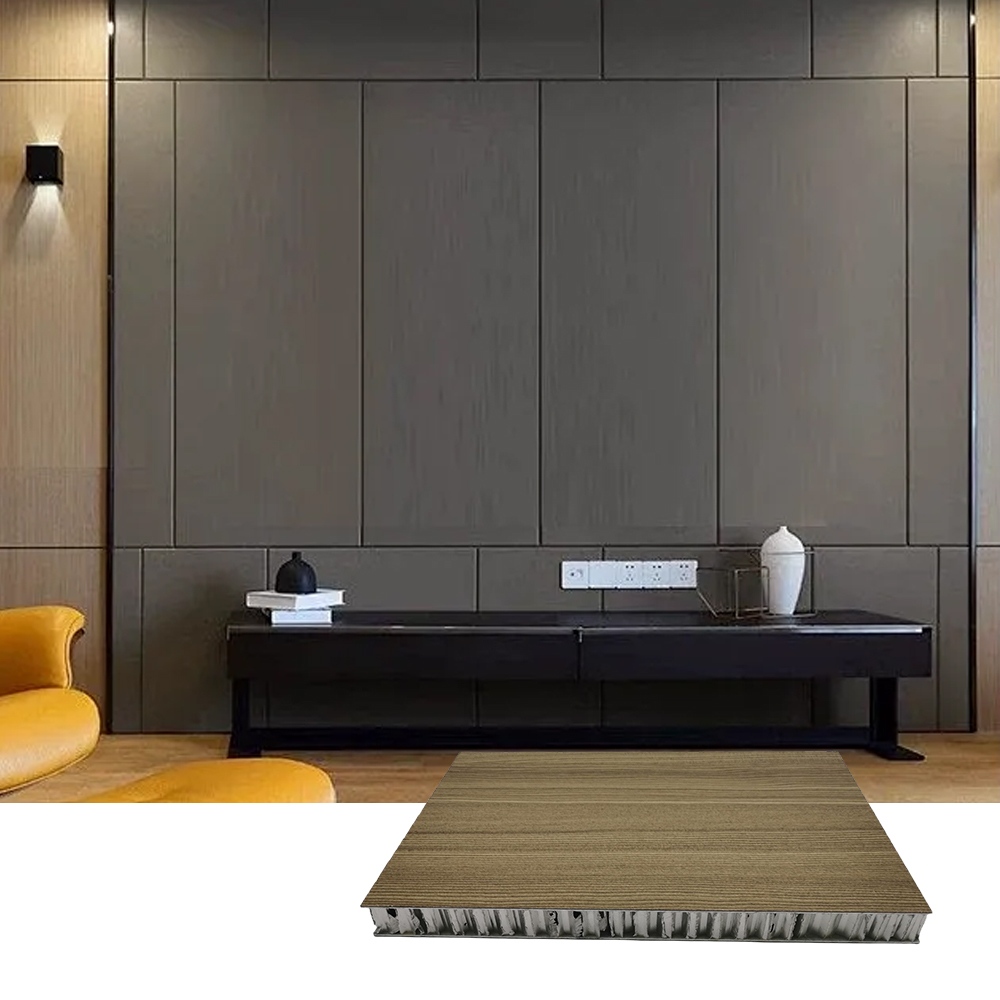
Aluminum veneer panels are a modern type of architectural decorative material manufactured using high-quality, high-strength aluminum alloy sheets as a base substrate. These sheets are shaped using advanced techniques—such as CNC bending—and subsequently finished with a surface coating of decorative paint. Common thicknesses range from 1.5 mm to 3.0 mm; the primary alloy grade utilized is 3003, typically in the H24 temper state.
The structural composition of an aluminum veneer panel primarily consists of the face panel, reinforcing ribs, and mounting brackets. The reinforcing ribs are attached to the back of the panel via welded studs, creating a robust, unified assembly. This design significantly enhances the panel’s strength and rigidity, thereby ensuring its long-term flatness as well as its resistance to wind loads and seismic forces. This structural engineering endows the panels with exceptional mechanical properties, while keeping their weight to just one-third that of steel, with a density of 2.7 g/cm³.
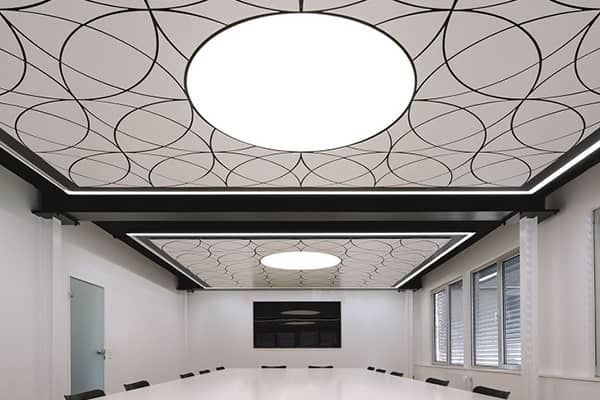
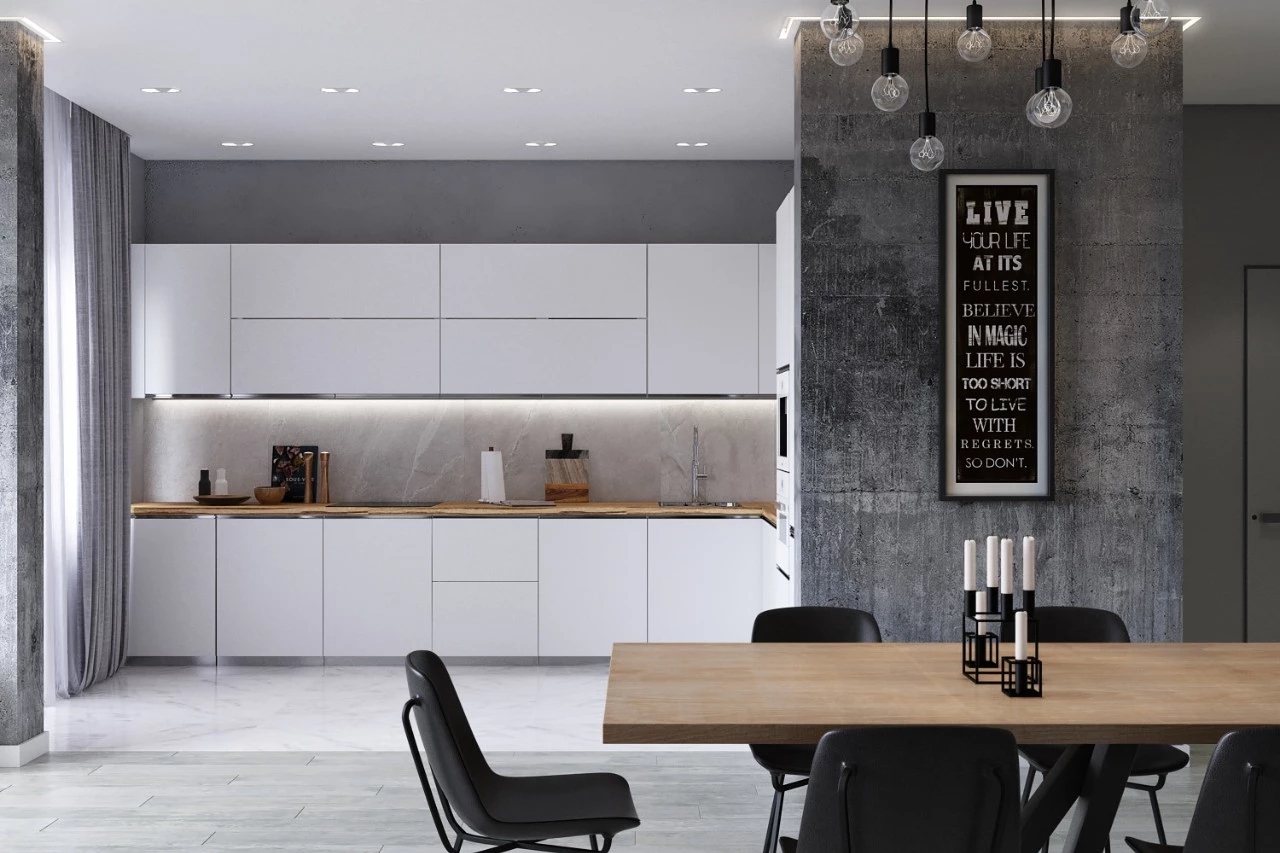
The environmental advantages of aluminum veneer panels are most notably demonstrated by their recyclability. Aluminum panels are 100% recyclable and retain a high residual value upon recycling. Unlike decorative materials such as glass, stone, or ceramics, they constitute a truly renewable, eco-friendly, and sustainable decorative material. To illustrate this point, consider a commercial complex spanning 100,000 square meters: if an aluminum veneer curtain wall system is selected to replace traditional stone cladding, the building’s dead load can be reduced by approximately 3,000 tons—an amount equivalent to a reduction of 1,200 cubic meters in concrete usage.
Regarding surface treatment, aluminum veneer panels typically undergo fluorocarbon spray coating. This fluorocarbon finish boasts exceptional corrosion resistance and weatherability; it effectively withstands acid rain, salt spray, and various atmospheric pollutants, while also resisting intense ultraviolet radiation. Consequently, the panels retain their original color and finish—remaining free from fading or chalking—for an extended period, offering a service life of 25 years or more. This inherent durability significantly reduces the frequency of maintenance and replacement, thereby indirectly lowering resource consumption throughout the product’s entire lifecycle.
Furthermore, aluminum veneer panels possess a host of additional attributes, including Class A fire resistance, moisture and mold resistance, and excellent self-cleaning properties. These characteristics ensure full compliance with the safety, health, and convenience standards mandated for green building materials.
Post time: Mar-26-2026