
While often associated with modern architecture, the demand for aluminum honeycomb panels is fueled by a surprisingly diverse range of high-performance applications across multiple industries. The construction sector remains the largest end-user, where these panels are prized for curtain walls, interior cladding, ceilings, and partitions due to their lightweight nature, flatness, and excellent thermal and acoustic properties.
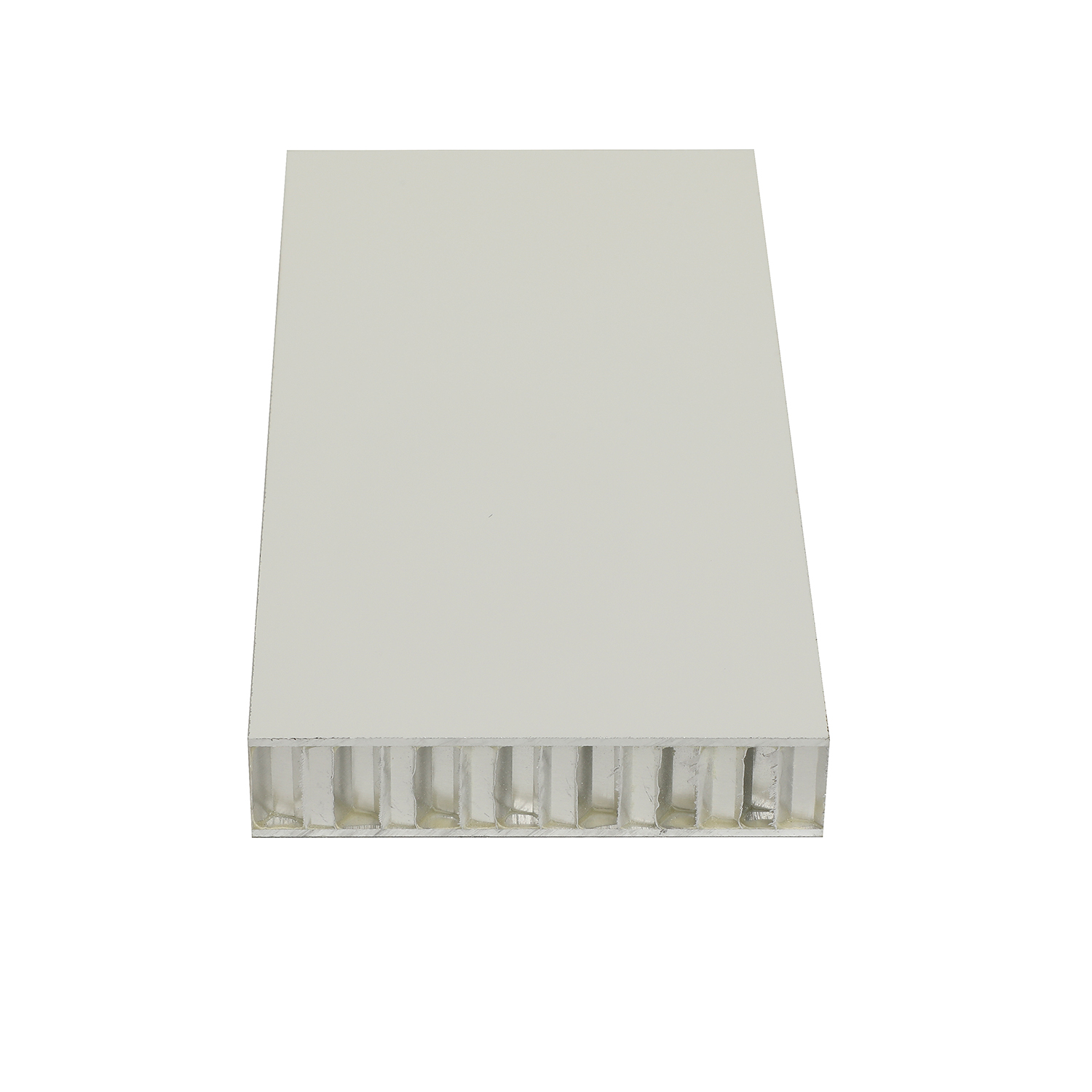
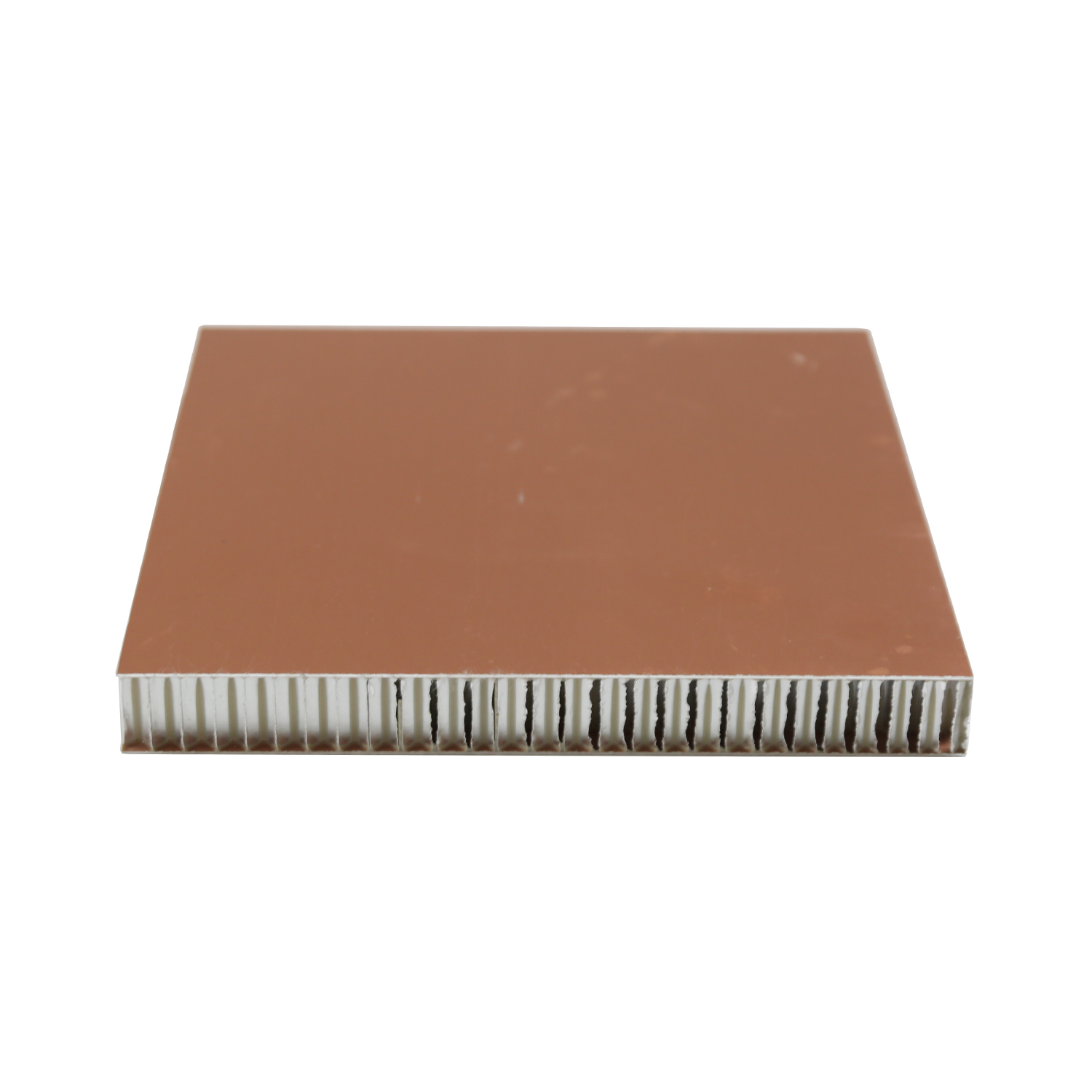
Beyond construction, the transportation industry is a major growth driver. In rail transit, aluminum honeycomb panels are used for carriage interiors, flooring, and partitions, helping to reduce vehicle weight and improve energy efficiency. Their application is also expanding in marine and automotive industries.
The most technologically demanding application is in the aerospace and aviation sector. Here, the exceptional strength-to-weight ratio of aluminum honeycomb is critical for components in aircraft interiors, flooring, and even certain structural parts, where every kilogram saved translates to significant fuel savings.
This application diversity de-risks the industry’s growth prospects. While construction cycles may fluctuate, steady demand from aerospace and expanding use in transportation provide stability. For Chinese manufacturers aiming at the international market, this means opportunities exist not just in volume-driven construction projects but also in high-value, niche sectors that require advanced engineering and certification capabilities. Understanding these varied application trends is crucial for targeting the right global customers.
Post time: Nov-29-2025