
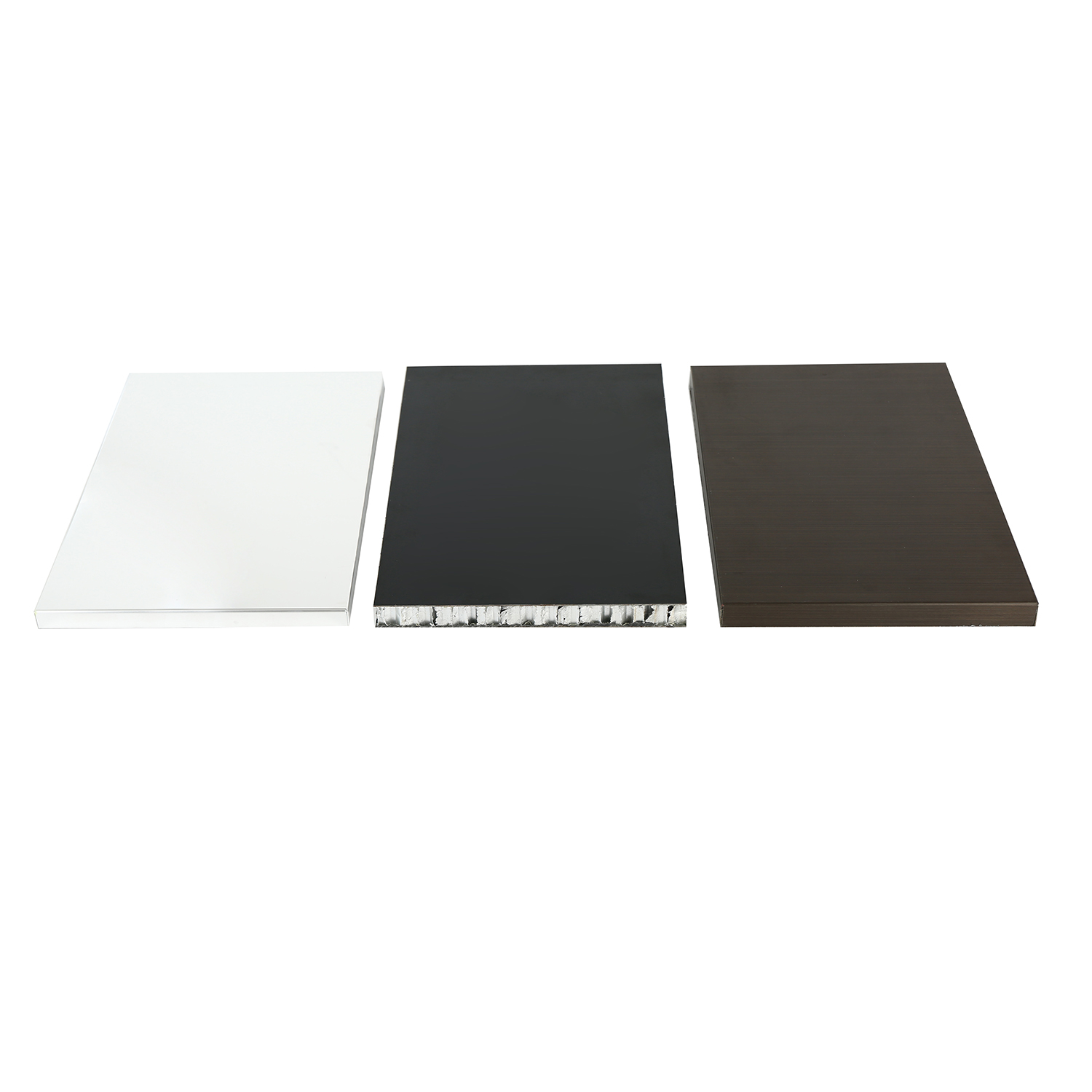
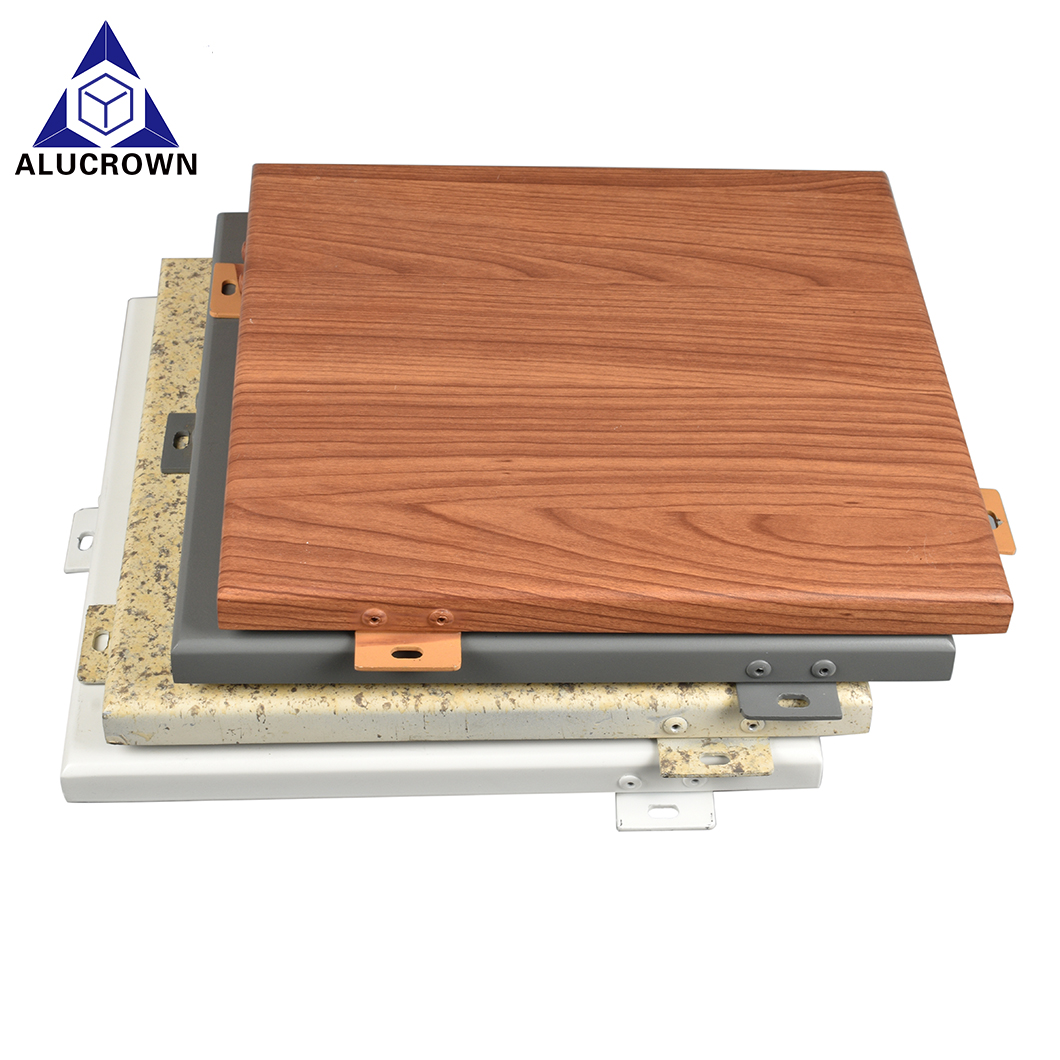
Choosing the right core material for a composite panel is a critical engineering decision. When comparing aluminum honeycomb to solid aluminum and plywood, each presents distinct advantages. Solid aluminum offers maximum strength but at a significant weight penalty, which can complicate installation and increase structural support requirements. Plywood is a traditional, cost-effective core but is susceptible to moisture, warping, and lacks the uniform density of modern composites. Aluminum honeycomb, however, strikes an optimal balance. It rivals the strength of much thicker solid aluminum while being a fraction of the weight. Its non-hygroscopic nature means it won’t rot or delaminate like plywood in humid environments. While solid metal might be chosen for extreme point loads and plywood for simple, dry carpentry, aluminum honeycomb excels in applications demanding high stiffness-to-weight ratios, dimensional stability, and long-term reliability. For modern transportation, marine interiors, and architectural facades where performance and longevity are paramount, aluminum honeycomb is the superior core material.
Post time: Jan-30-2026