
The global construction industry in 2026 is increasingly turning to honeycomb panels, driven by a powerful demand for materials that are both high-performing and sustainable. Known for their exceptional strength-to-weight ratio—often being just one-third to one-fifth the weight of solid panels—they offer significant advantages in reducing structural load while providing excellent flatness, sound insulation, and fire resistance.
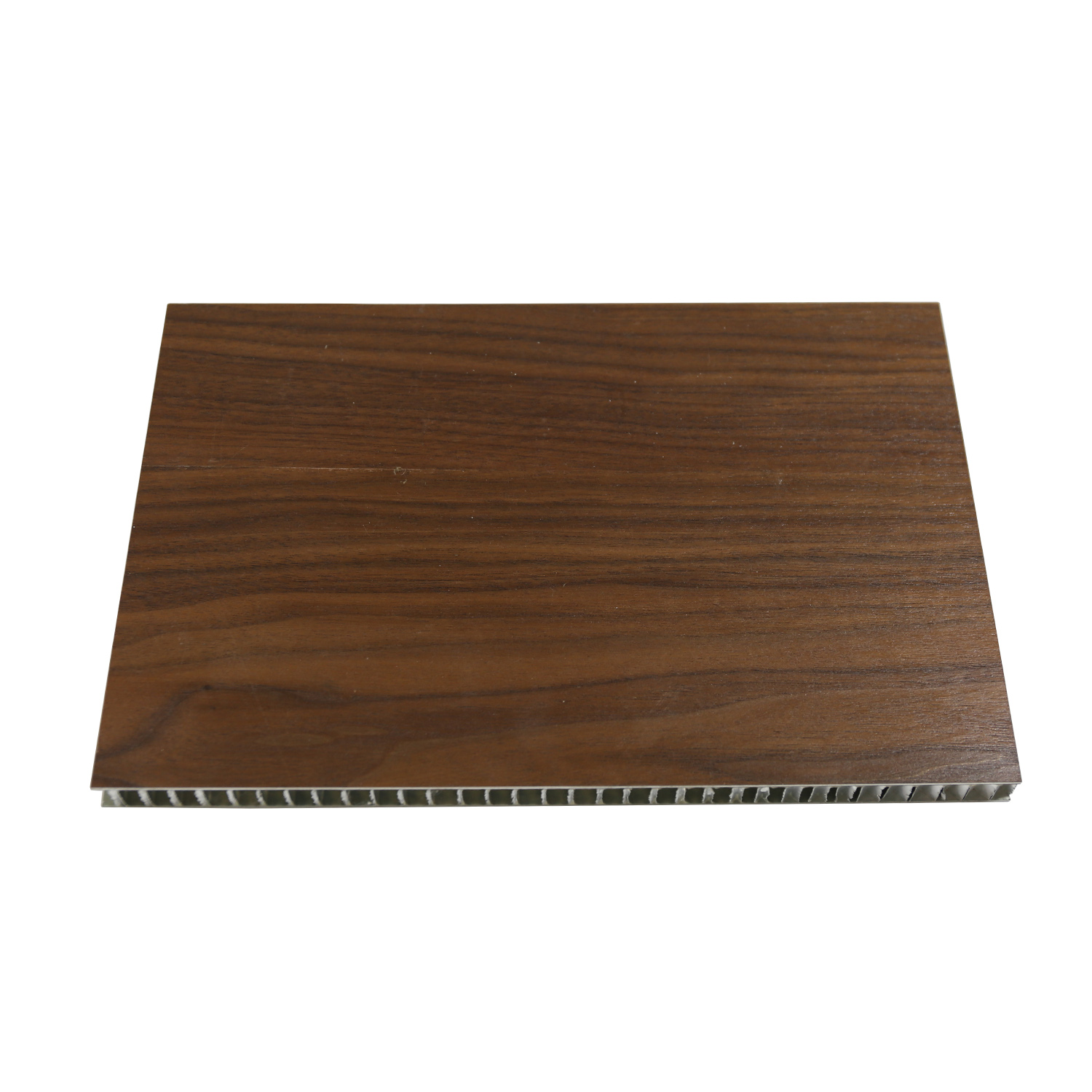
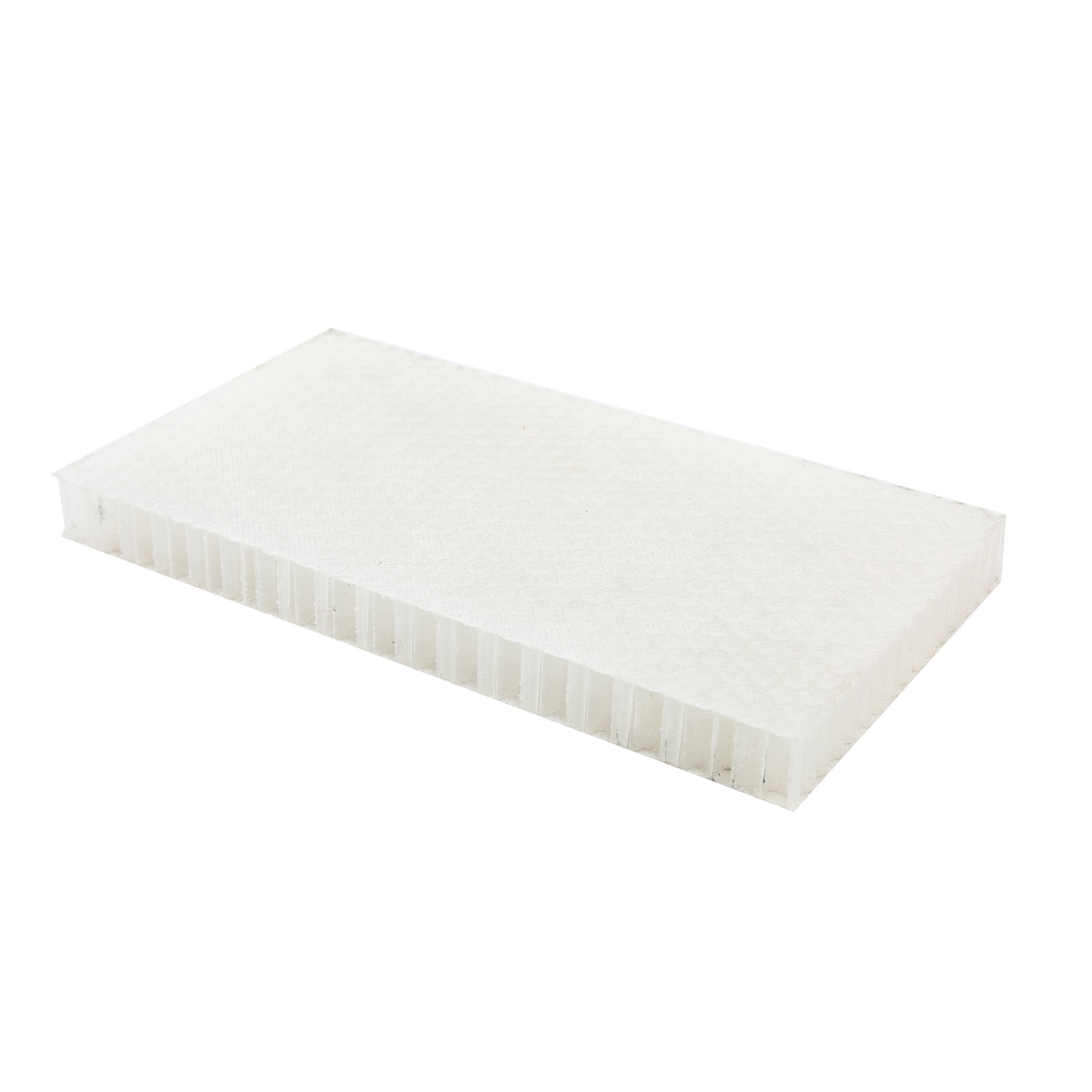
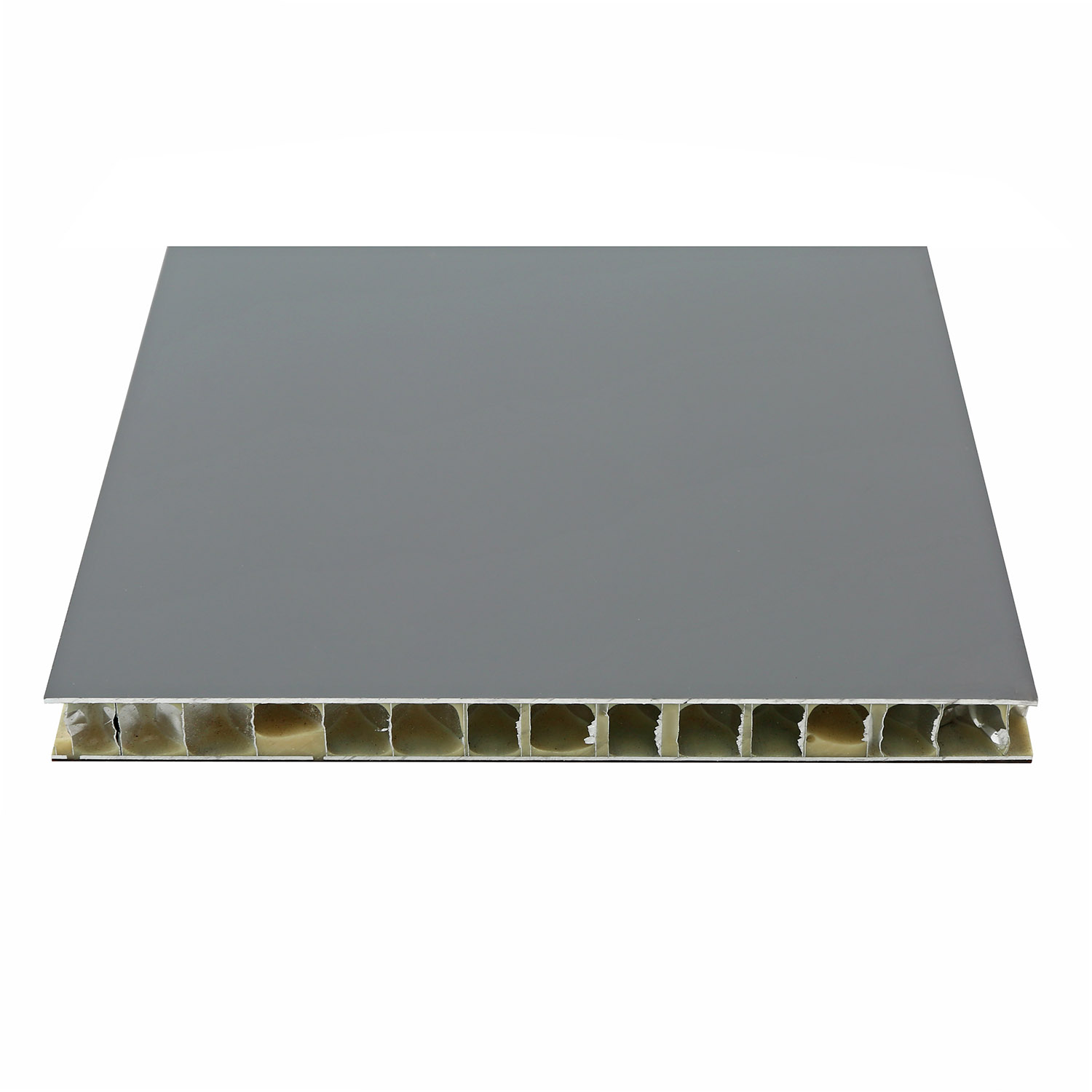
A core trend shaping the market is the industry-wide push for sustainability. Honeycomb panels are aligning with green building certifications like LEED. Innovations are focusing on eco-friendly cores made from materials like straw or bamboo fibers and the use of formaldehyde-free adhesives. Furthermore, their role in lightweighting structures for urban renovation and rail transit is crucial for improving energy efficiency.
Beyond basic panels, the future points toward multifunctional, integrated systems. Research is progressing into panels with integrated photovoltaic films, thermochromic coatings, and even embedded sensors for building health monitoring. The adoption of BIM (Building Information Modeling) and modular prefabrication is also rising, enabling faster, cleaner on-site installation.
Regionally, the Asia-Pacific market is a dominant force and the fastest-growing area, fueled by rapid urbanization and infrastructure development in China and India. North America remains a key market, driven by stringent building codes and renovation projects, while Europe leads in demanding high standards for energy efficiency and innovative applications.
Overall, the market is moving from a simple composite material toward an intelligent, sustainable building envelope solution. For industry stakeholders, success in 2026 will depend on embracing these trends of eco-design, smart functionality, and efficient construction methodologies.
Post time: Dec-25-2025